
NT260
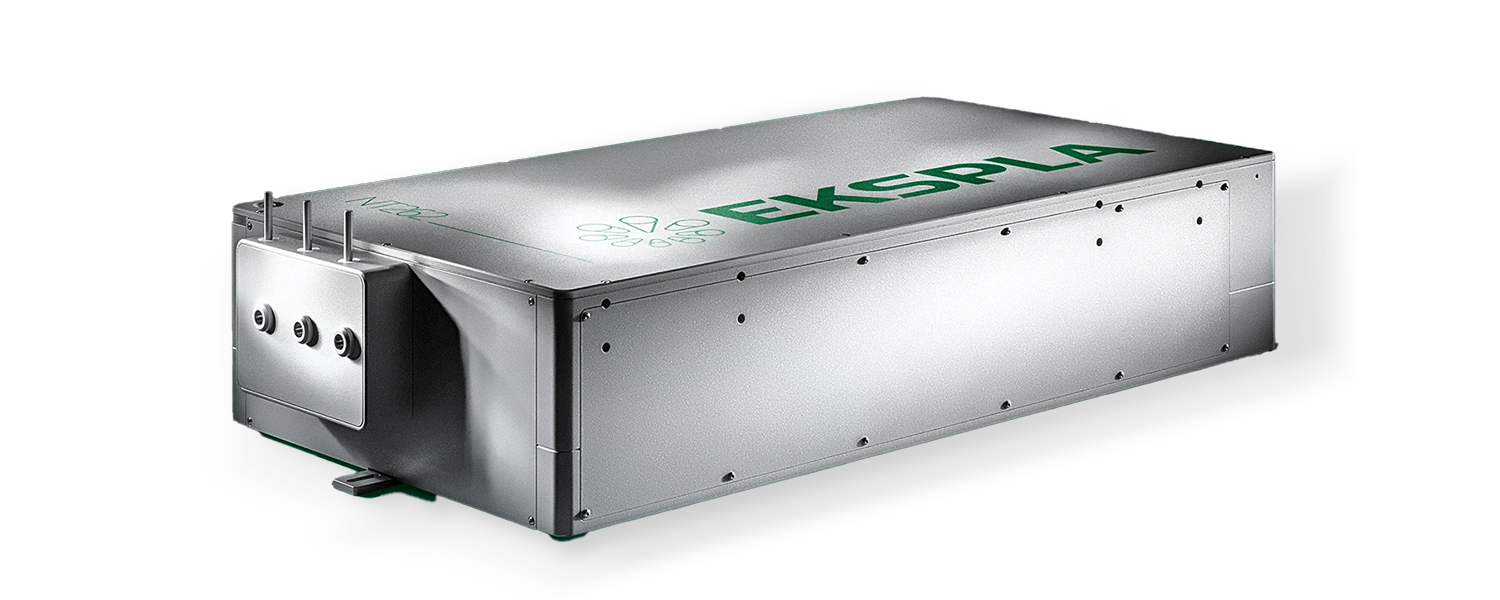
High-repetition, narrow-band tunable nanosecond laser
The NT262 offers seamless tuning from 192 to 2600 nm with a repetition rate of 10 kHz – all in one device.
With an output power of up to 0.7 W and a line width of up to 1.5 cm-¹, the laser offers significant advantages in demanding applications such as the calibration of detectors and spectroradiometers, metrology or gas spectroscopy.
Developed and manufactured by:

Features
- Innovative patented technology for Q-switched / mode-locked operation
- Seamless wavelength tuning in the range from 192 – 2600 nm
- Repetition rate of 10 kHz
- Output power up to 0.7 W
- Line width up to 1.5 cm-¹
- Integrated monitoring of pump and output power
- Integrated fast wavelength scan
- Monolithic, robust housing
- Flexible control via keyboard or PC
- Two-year warranty
Applications
- Measurement technology & device calibration
- Adjustment of hyperspectral cameras
- Time-of-flight mass spectrometry (TOF)
- Inspection of semiconductors
- Evaluation of optical filters
- Photoacoustic microscopy
- Laser-induced luminescence spectroscopy
- Environmental monitoring, LIDAR
Applications
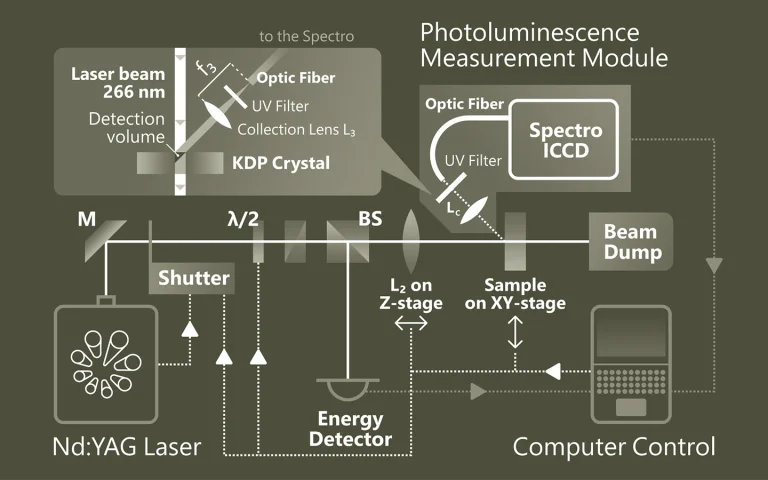
Emission that provides insights
Photoluminescence spectroscopy (PL) is a non-contact method for investigating the electronic and structural properties of materials…
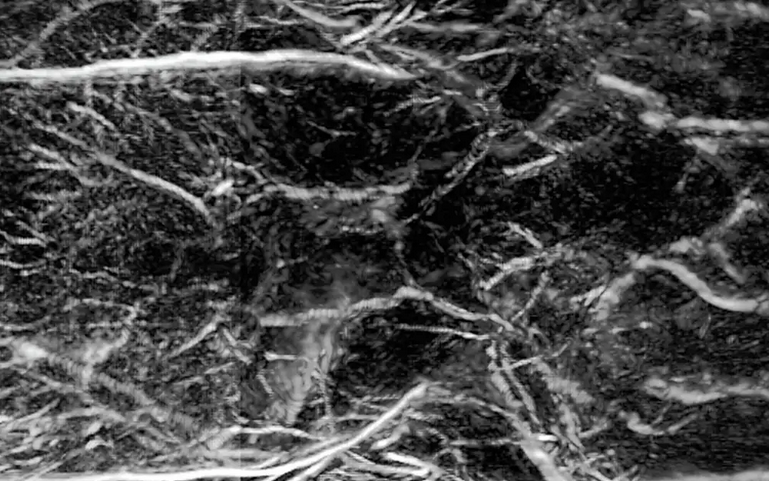
Hearing with light - seeing with sound
| Laser-based photoacoustic imaging is an innovative method that combines light and sound to generate high-resolution images of biological tissue. Tissue is irradiated with short, usually spectrally tunable laser pulses. These lead to minimal local heating and thus generate ultrasonic waves, which are measured and converted into images. |
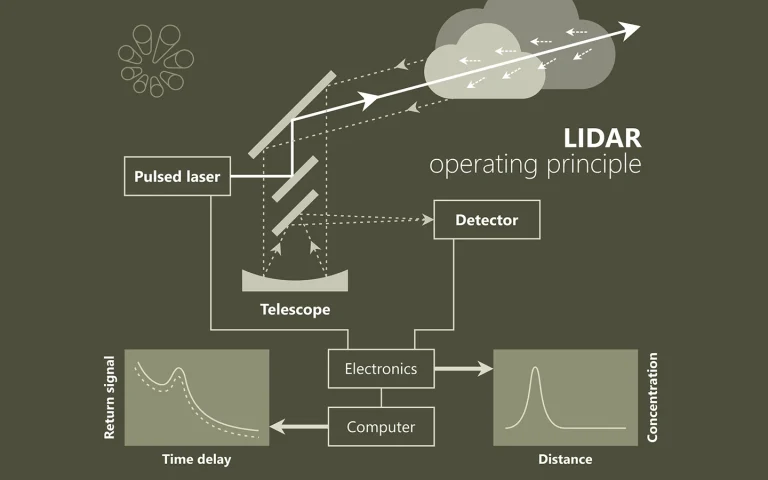
Distance as a data source
LIDAR emits short laser pulses that are scattered by particles, aerosols or molecules in the atmosphere and detected by a telescope. The distance is calculated from the travel time of the light, creating a spatial profile along the beam. LIDAR uses UV, visible or near-infrared light and is suitable for detecting a wide variety of materials – even in environments that are difficult to access.